
Who Suffers Most When Infrastructure Fails?
Most people barely think about infrastructure when it works properly.
The train arrives, the bridge carries traffic, the taps run and the drains disappear beneath the pavement, quietly doing their job when it rains.
Infrastructure becomes visible when it fails.
At that point, the public focus on disruption, delays, congestion, repair costs and political blame. You can’t get away from the headlines about engineering defects or extreme weather.
What receives far less attention is that infrastructure failure is rarely experienced equally.
Some people experience inconvenience. Others experience isolation, financial hardship, worsening health, or genuine danger. The same infrastructure failure can be mildly frustrating for one person and life-changing for another.
Civil engineering directly shapes how people access transport, healthcare, water, employment, and safety in everyday life. Understanding who depends most heavily on infrastructure, and who suffers most when systems fail, is a fundamental part of resilient design.
For engineers, this is an important perspective to develop. Infrastructure is not just concrete, steel, hydraulics, and design codes. It shapes access to healthcare, employment, mobility, safety, and independence.
Across railways, flood defences, water networks, and bridges, one pattern appears repeatedly:
The people who suffer most are usually the people with the fewest alternatives.
Rail Infrastructure Failure and the People Who Cannot Adapt
Rail disruption seemingly affects almost everyone eventually. Signal failures, flooding, strikes, overhead line faults, and infrastructure defects are part of operating large transport systems.
However, not everyone experiences disruption in the same way.
A cancelled train might irritate an office worker who can open a laptop from home. That same cancellation could cost a shift worker an entire day’s pay.
This divide became particularly visible during recent rail strikes across the UK. According to the Office for National Statistics, around 70% of people planning to commute by rail during strike periods reported work-related impacts. For many lower-income workers, there was no fallback option.
Hospitality staff, retail workers, healthcare assistants, cleaners, warehouse operatives, and construction workers generally cannot work remotely. If they cannot physically reach work, they may lose income immediately.
The infrastructure problem therefore becomes an economic problem.
Rail disruption also creates major challenges for people attending hospital appointments or receiving ongoing treatment. Dialysis sessions, chemotherapy appointments, specialist consultations, and mental health services are often tied to fixed times and locations. Missing appointments can have consequences far beyond inconvenience.
Disabled passengers are among the groups most severely affected by rail infrastructure failure. Even under normal conditions, accessibility across the rail network isinconsistent. Transport for All reports that only around one quarter of mainline stations in Britain have full step-free access. Broken lifts, inaccessible replacement buses, and sudden platform changes can quickly turn disruption into complete exclusion.
The Office of Rail and Road found that thousands of lift faults occur annually across Network Rail managed stations. In practice, that means some passengers simply cannot complete their journeys.
Women travelling alone also experience disruption differently. Research commissioned by Transport Scotland found that delays, reduced staffing, and isolated waiting conditions significantly increase perceived safety risks, particularly during late evening travel. Long waits on poorly lit platforms are not experienced equally by all passengers.
These examples reveal something important about transport resilience.
Rail infrastructure underpins far more than passenger movement. Delays and closures can affect employment, healthcare access, education, and community connection simultaneously.
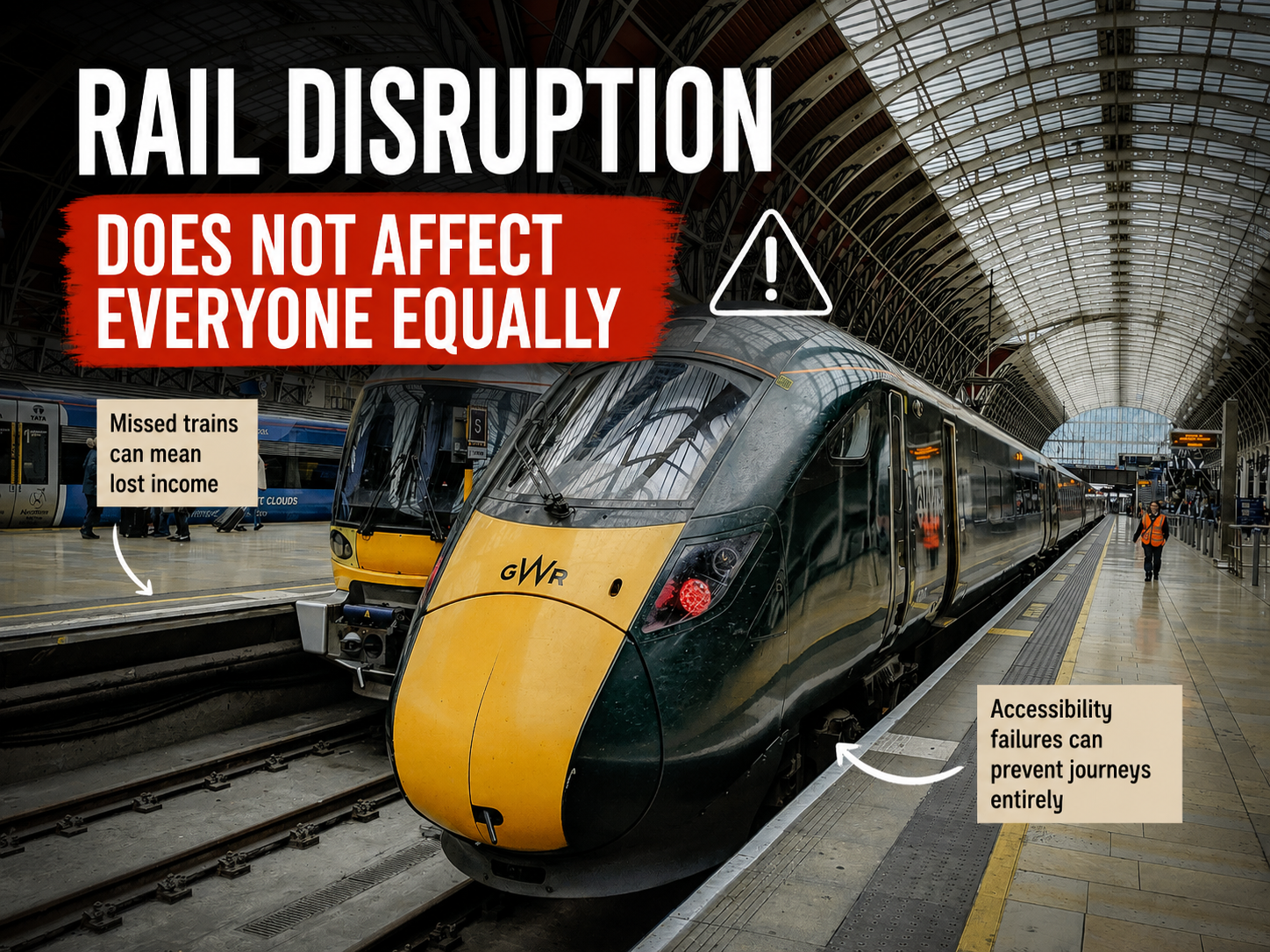
Photo by Tomek Baginski on Unsplash
Flooding: When Infrastructure Failure Becomes Personal
Flooding is one of the clearest examples of infrastructure failure exposing existing social vulnerability.
When flood defences are overwhelmed or drainage systems fail, the impacts are not distributed evenly across society. Exposure, mobility, wealth, housing quality, and age all influence who suffers most.
The Valencia floods in Spain during October 2024 provide a grim recent example.
Following intense rainfall, catastrophic flash flooding struck heavily urbanised areas across the Valencia region. More than 200 people died. Many of the fatalities occurred in ground-floor homes, underground garages, basements, and low-lying urban districts.
What became particularly striking during post-event analysis was the demographic profile of many victims.
A large proportion were older adults.
Reports from El País and subsequent academic analysis highlighted that many victims were over the age of 70, with significant numbers in their 80s and 90s. Reduced mobility, slower evacuation capability, and social isolation all increased vulnerability once floodwaters rose rapidly.
In one care home near Paiporta, several elderly residents died after floodwaters inundated the building.
This highlights an uncomfortable reality for engineers.
Flood impacts depend heavily on who is exposed, how quickly people can evacuate, and whether communities have the resources to recover afterwards.
The Valencia floods also demonstrated how urban development patterns influence vulnerability. Underground garages and basement spaces became deadly traps as water levels rose rapidly. Researchers pointed towards decades of floodplain expansion, impermeable urban surfaces, and insufficient drainage capacity as contributing factors.
For civil engineers, this raises major questions around:
land-use planning
drainage design
safe access and egress
climate resilience
urban flood routing
emergency planning
Socio-economic vulnerability also played a major role.
Lower-income households are often concentrated in flood-prone areas because land and housing are cheaper. Wealthier residents may have insurance, savings, temporary accommodation options, or the ability to relocate quickly after flooding. Vulnerable households frequently do not.
One particularly revealing detail from Valencia involved people entering underground garages to move their cars before floodwaters rose.
At first glance, this may seem reckless.
In reality, many people were trying to protect one of their most valuable assets. Losing a vehicle can threaten employment, childcare arrangements, and financial survival, particularly for households with limited savings.
The deaths were shaped by far more than extreme rainfall alone. Age, mobility, housing conditions, flood exposure, and economic pressure all influenced how vulnerable people became once the flooding began.
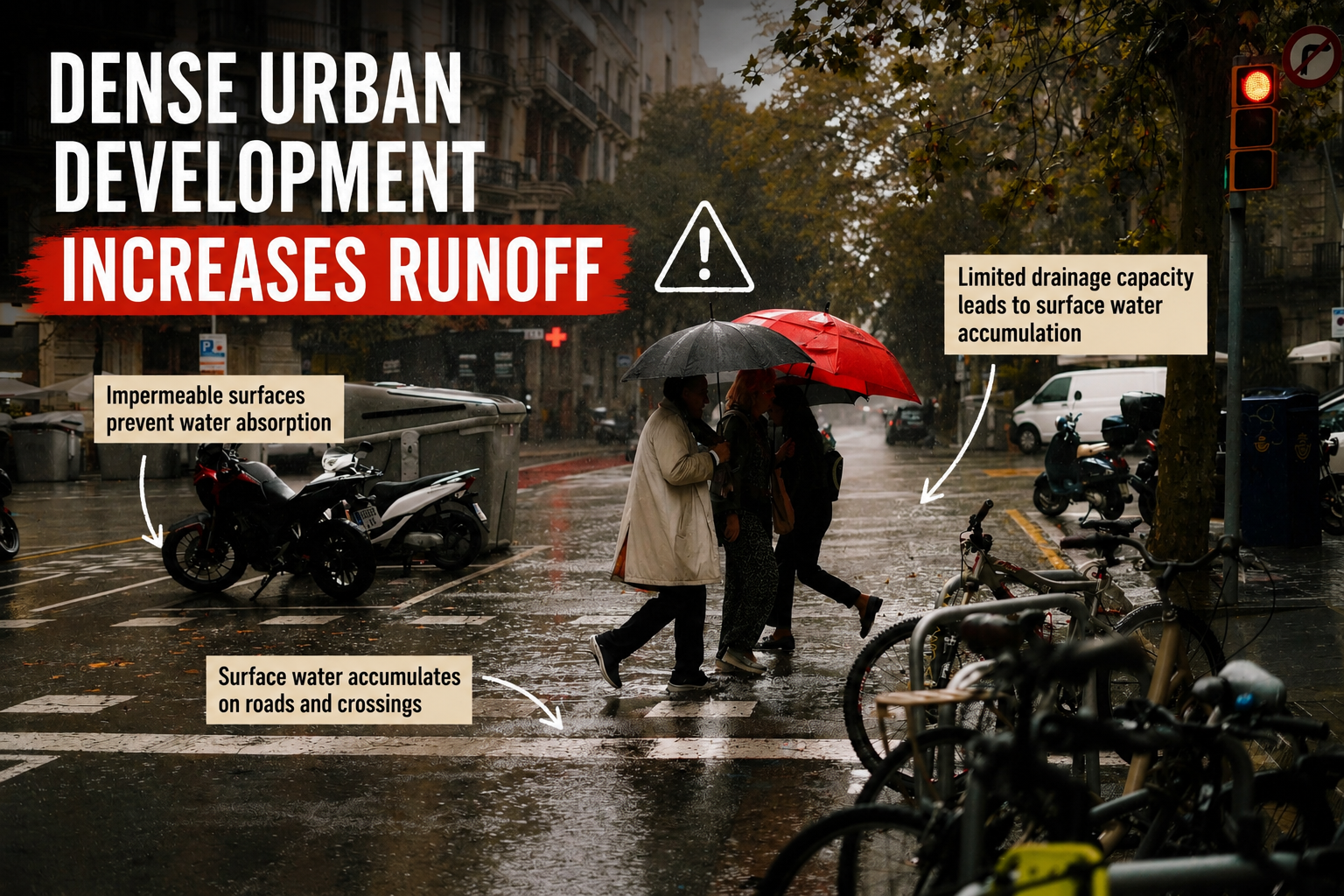
Photo by Lala Azizli on Unsplash
Water Supply Failure and the Fragility of Daily Life
Modern societies assume clean water will always be available.
When that assumption fails, vulnerability becomes visible very quickly.
Most healthy adults can adapt temporarily during water outages. They may buy bottled water, drive to collection points, or store supplies.
For older adults, disabled residents, and people with chronic illness, the situation is very different.
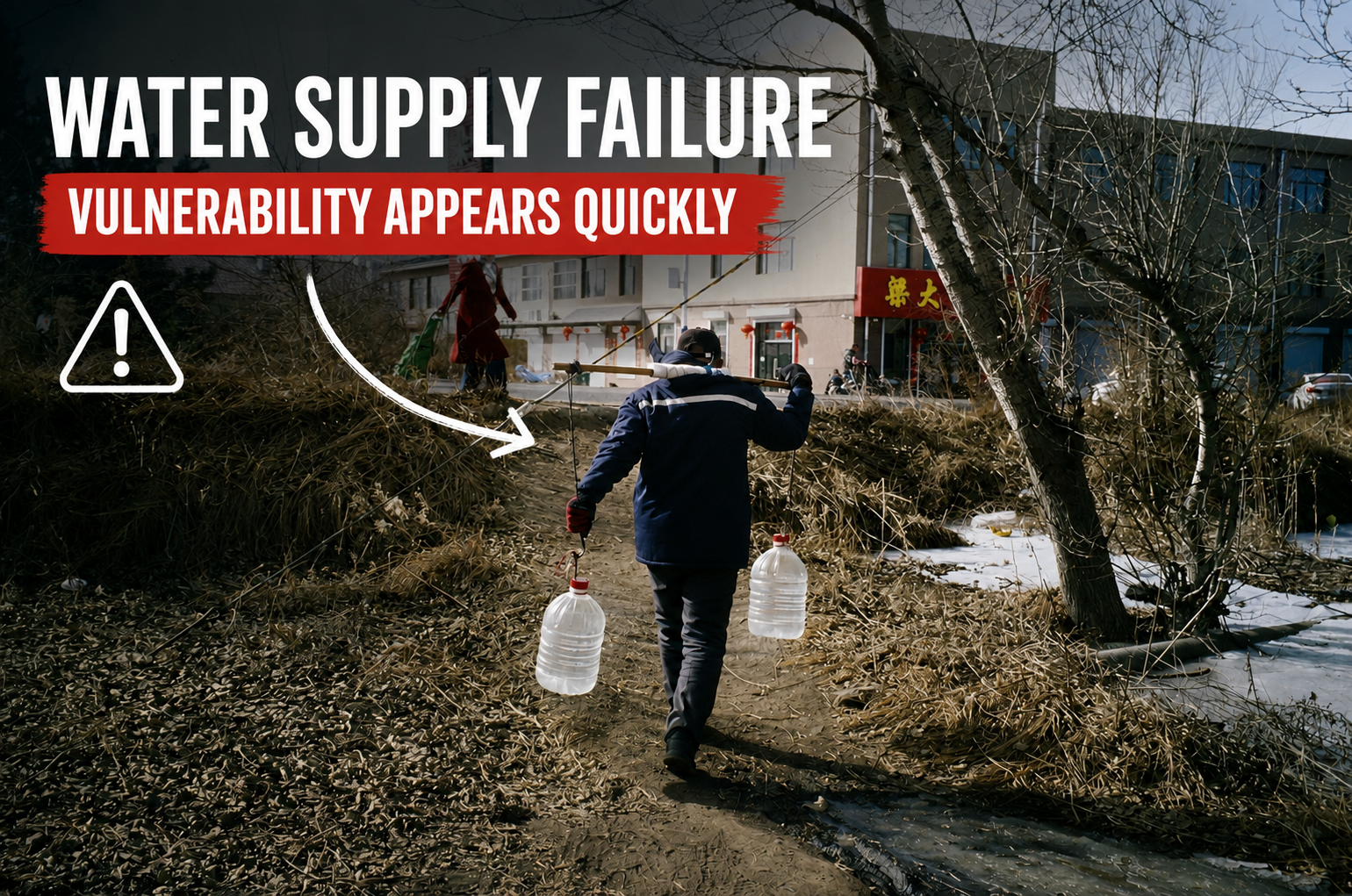
Something as basic as carrying several litres of water can become physically impossible for frail individuals. Maintaining hygiene, taking medication safely, preparing food, and flushing toilets all become difficult once water supplies fail.
Healthcare systems are particularly dependent on reliable water infrastructure. Hospitals, dialysis units, and care homes require large continuous volumes of clean water for cleaning, sterilisation, infection control, and patient care. Even relatively short disruptions can force service reductions and increase public health risks.
Low-income households are also disproportionately exposed during outages. Wealthier households often possess greater resilience through:
water storage
private transport
flexible working
financial reserves
Poorer households may struggle to buy bottled water or travel to distribution centres, and this pattern appears globally.
Mexico City provides a example of long-term water infrastructure stress. Severe leakage losses, ageing infrastructure, and groundwater depletion have created chronic supply challenges across the city.
However, the impacts are not evenly distributed.
Wealthier districts often manage through private water storage systems and tanker deliveries whereas poorer communities may experience intermittent supply, long queues, unsafe storage practices, and greater exposure to disease risk.
Again, the infrastructure problem affects everyone, but the suffering does not.
Bridge Closures and the Communities Left Behind
Bridge failures are usually discussed in structural engineering terms.
Fatigue cracking. Corrosion. Asset deterioration. Maintenance backlog.
Those issues are critical, but bridge closures also create social consequences that spread far beyond the structure itself.
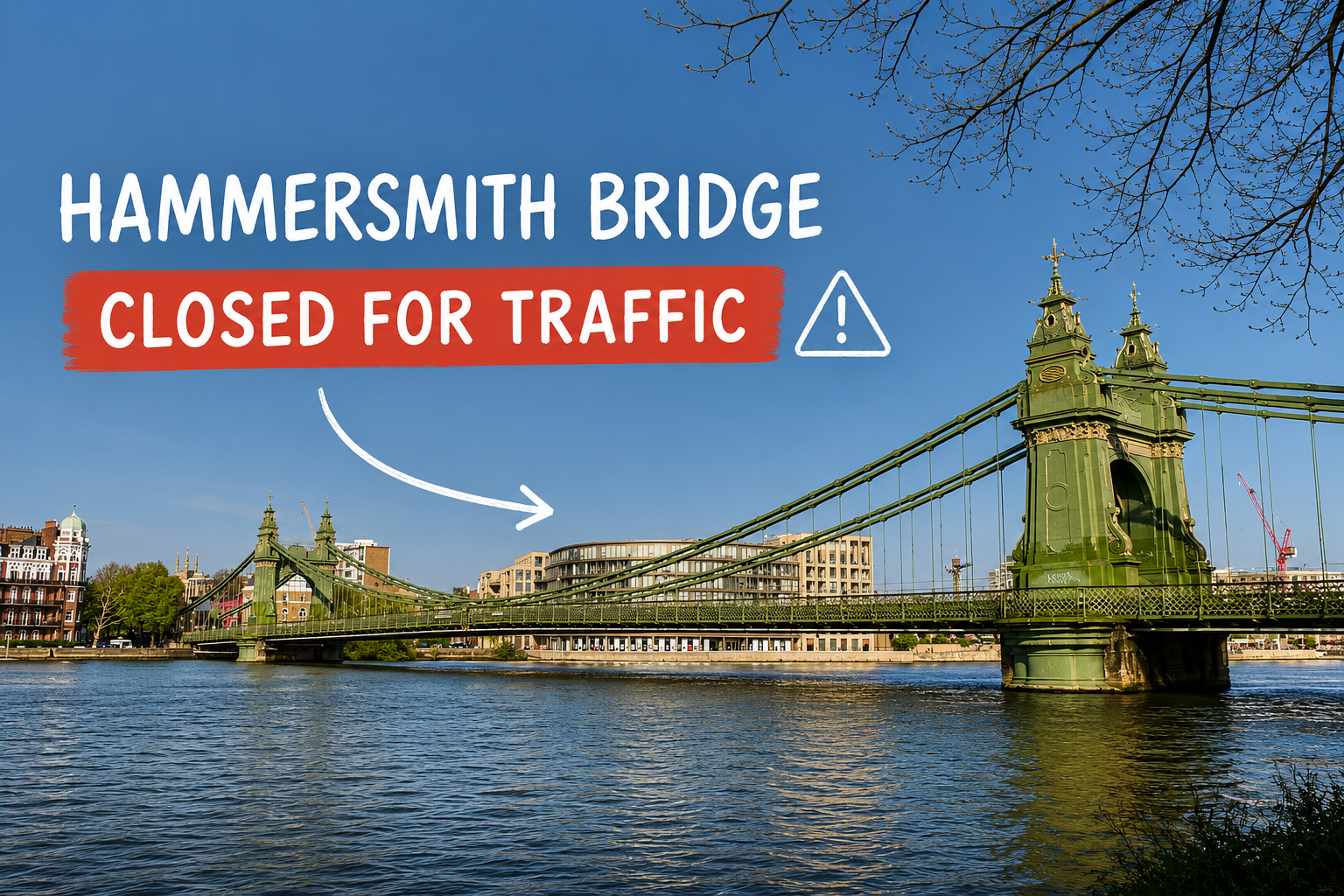
The closures of Hammersmith Bridge and Albert Bridge in London show how infrastructure failure reshapes entire communities.
Since Hammersmith Bridge closed to motor traffic in 2019 following the discovery of dangerous structural defects, surrounding areas have experienced years of transport disruption.
The effects extend well beyond motorists.
Bus passengers have experienced longer journey times and reduced reliability because diversion routes became heavily congested. Residents without private vehicles have often faced greater disruption than those able to drive alternative routes.
This is an important point for engineers.
Public transport users are frequently more vulnerable to network disruption because their journeys rely on coordinated systems rather than individual flexibility.
Older residents were also heavily affected. Local reporting described increased isolation among people who previously relied on the bridge to access healthcare, social connections, and daily services.
Emergency response times became another major concern. Healthcare professionals reported significant delays reaching hospitals because diversion routes became severely congested.
Schoolchildren experienced longer commutes, while families absorbed additional transport costs and logistical challenges.
The closure of a bridge therefore becomes far more than a structural engineering issue. It becomes a public health issue, an accessibility issue, and a community resilience issue.
What Civil Engineers Should Take From This
Across railways, flooding, water supply systems, and bridges, the same lesson appears repeatedly:
Infrastructure failure amplifies existing vulnerability.
The people most affected are usually:
the least wealthy
the least mobile
the most dependent on public systems
the least able to adapt quickly
This matters because resilient infrastructure depends on understanding both technical performance and the human consequences of failure.
A drainage system may technically satisfy hydraulic criteria while still exposing vulnerable residents to unacceptable risk.
A transport network may technically operate while becoming completely inaccessible during disruption.
A bridge closure strategy may unintentionally place disproportionate strain on bus users, elderly residents, or emergency services.
Good engineering therefore requires more than technical competence alone, it requires awareness of how infrastructure supports real people in everyday life.
That includes:
inclusive design
accessibility
maintainability
redundancy
emergency planning
climate resilience
community vulnerability assessment
Inclusive design, accessibility, resilience, and community vulnerability have become fundamental parts of modern infrastructure engineering.
Conclusion
Infrastructure quietly shapes daily life until it stops working.
When it fails, the impacts reveal how dependent society is on resilient systems and how unevenly vulnerability is distributed across communities.
Rail disruption harms those without flexibility.
Flooding disproportionately affects vulnerable residents in high-risk locations.
Water outages expose inequalities in health, mobility, and income.
Bridge closures isolate communities and disrupt access to essential services.
For civil engineers, the lesson is clear. Infrastructure performs best when it is designed with reliability, accessibility, maintainability, and vulnerable users in mind.
As climate pressures, ageing assets, and urban growth continue to challenge infrastructure systems worldwide, engineers will increasingly shape not only physical resilience, but social resilience as well.
If you enjoyed this article, explore more insights on the Civil Engineered for Success blog, share your thoughts in the comments, and subscribe to the newsletter to stay sharp, informed, and inspired.
References
Transport for All, Trains: barriers disabled people face when travelling by rail:https://www.transportforall.org.uk/the-issues/public-transport/trains/
Office of Rail and Road, Experiences of Passenger Assist 2024 to 2025:https://www.orr.gov.uk/sites/default/files/2025-07/2024-2025-experiences-of-passenger-assist-research-report.pdf
Network Rail, Access for All programme:https://www.networkrail.co.uk/rail-travel/station-improvements/access-for-all-improving-accessibility-at-railway-stations-nationwide/
London TravelWatch, Nearly half of women avoid travelling at certain times:https://www.londontravelwatch.org.uk/news/new-research-highlights-the-importance-of-maintaining-frequent-night-time-tubes-trains-and-buses-as-nearly-half-of-women-say-they-avoid-travelling-at-certain-times/
Transport Scotland, Women and girls’ safety on public transport:https://www.transport.gov.scot/our-approach/research/women-and-girls-safety-on-public-transport/
PreventionWeb, Valencia floods, one year on: what have we learned?:https://www.preventionweb.net/news/valencia-floods-one-year-what-have-we-learned-and-how-can-we-prevent-similar-tragedies-future
The Guardian, Almost half of Valencia’s flood victims were aged over 70:https://www.theguardian.com/world/2024/nov/14/almost-half-of-spains-flood-victims-were-over-70-figures-show
Wikipedia, 2024 Spanish floods, useful only for general background and source tracing:https://en.wikipedia.org/wiki/2024_Spanish_floods
National Audit Office, Regulators have failed to deliver a trusted and resilient water sector:https://www.nao.org.uk/press-releases/regulators-have-failed-to-deliver-a-trusted-and-resilient-water-sector-nao/
Environment Agency, Water resources 2024 to 2025:https://www.gov.uk/government/publications/water-resources-2024-2025-analysis-of-the-water-industrys-annual-water-resources-performance/water-resources-2024-to-2025-analysis-of-the-water-industrys-annual-water-resources-performance
Al Jazeera, Mexico City is sinking, running out of water:https://www.aljazeera.com/features/2024/5/11/mexico-city-is-sinking-running-out-of-water-how-can-it-be-saved
ABC News, Mexico City residents face water crisis:https://abcnews.go.com/International/mexico-city-residents-faced-water-crisis-resort-drastic/story?id=111472771
GOV.UK, Hammersmith Bridge updates:https://www.gov.uk/government/collections/hammersmith-bridge-taskforce
London Borough of Hammersmith and Fulham, Hammersmith Bridge:https://www.lbhf.gov.uk/transport-and-roads/hammersmith-bridge
Royal Borough of Kensington and Chelsea, Albert Bridge repair update:https://www.rbkc.gov.uk/newsroom/councillors-decide-full-repair-plus-extra-works-protect-albert-bridge
Wandsworth Council, Minimising travel disruption during Albert Bridge closure:https://www.wandsworth.gov.uk/news/news-february-2026/minimising-travel-disruption-during-albert-bridge-closure/
Basemap, Impact of Hammersmith Bridge closure on journey times:https://basemap.co.uk/news/the-impact-of-hammersmith-bridge-closure-on-journey-times